IN THE BEGINNING
There were two committees in 1966 to plan for the first Caribana celebration. The board of Governors was led by Alban Liverpool and the Executive committee was led by Sam Cole..One article stated Cole was the one who sent a letter to the mayor asking for permission to stage the event. The same article later had Cole being asked by Mayor Dennison to stage the event again in 1968.
However Cole's name didn't appear on the list of directors for the new organization called The Caribbean Committee for Cultural Advancement.
People from both committees came together and formed the new board chaired by Alban Liverpool. It was Liverpool the new chair who expressed his appreciation to the Toronto Mayor, other government members and the police for their support and help in staging the 68 festival.
...Ten islands were initially involved in Caribana. Many had representatives on the board. Later more islands were added and there were often boards consisting on close to twenty members. Caribana was chaired by people from various islands. The Caribbean people were proud of Caribana because it was part of their culture. No one island dominated the festival, until the 1980s when a group named Harambee took total control of the board and festival and that's when the festival started going downhill.
The new people knew nothing about the structure and capabilities of the organization when dealing with the various government agencies. They dropped all the various fund raising events that allowed the festival to operate with very little money and input from the city, province and the federal government. Later the boards went to the city for funding and that's when the city saw the opportunity to take over and control the festival. Caribana has never been the same since and will never be the same until and unless it finds its roots.
The recent COVID-19 pandemic shows that carnivals worldwide are in trouble. Brazil one of the world's greatest carnival celebration is on hold due to the increasing numbers of COVID-19 infective persons. Restarting any carnival will need precaution exposing folks coming in from various countries where the virus is still present in their population.
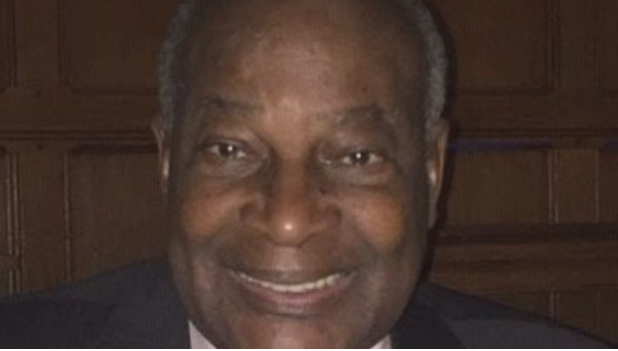 Some years later as a member of the St. Vincentian and the Grenadines Association of Toronto, I was selected to become a member on the Caribana Board. Those days all islands had the opportunity to send representatives to sit on the Caribana Board. Sometimes there were close to 20 board members. Romain Pitt when asked in 67 why so many board members replied, "So that there will always be people around to carry the torch, when others leave the organization".
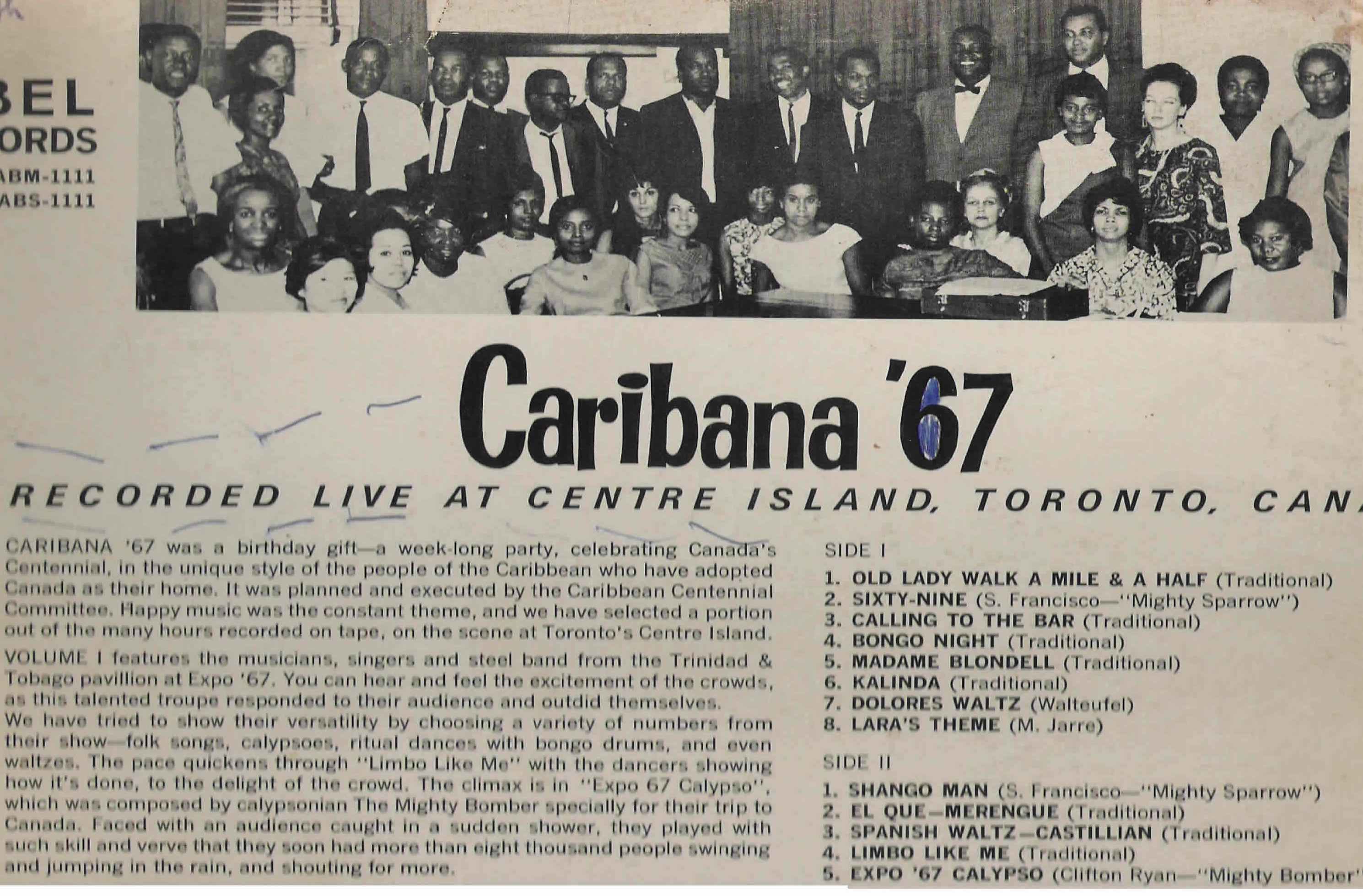 Provincial and Municipal governments with an array of special projects, events, and other creations. Along with government projects, other groups started their own events to celebrate. Among the happenings on Toronto's Center Island was Caribana, a festival for the Caribbean population of 12,000 in Toronto. Organized over nine months, its committee included a doctor, two lawyers, a town planner and a teacher, all Caribbean emigrants working in Metro Toronto.
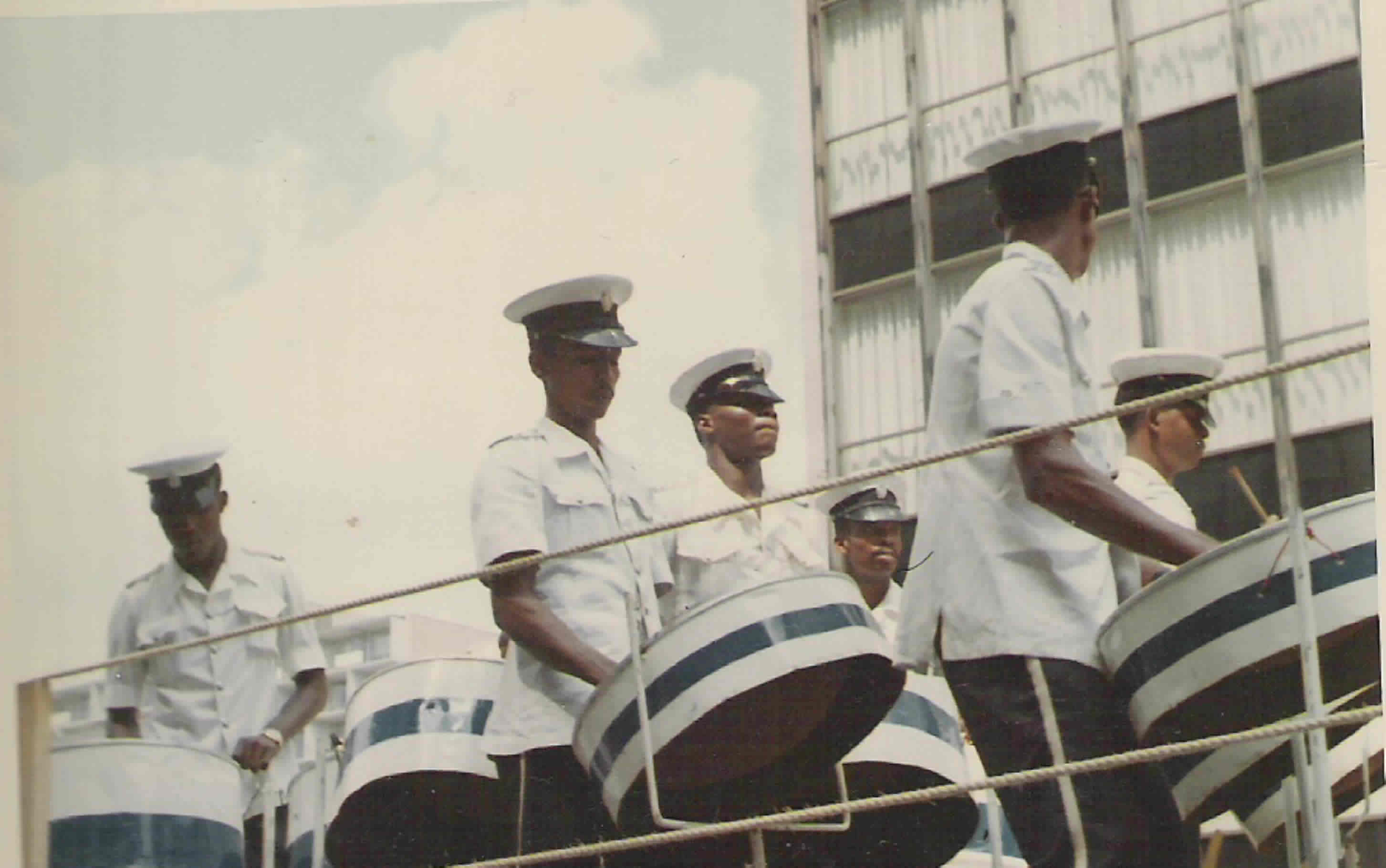
 The event would include "a series of performances covering steel bands, calypso, dance, drama, night club and variety acts, films, water-skiing, kids' carnivals and adult carnivals." Calypso ferry cruises, teen fashion shows, a Caribbean fruit and vegetable market, Caribbean Queen contest, and the "usual" booths. A water-skiing festival was held on the island, simultaneously,on the weekend
 University Avenue, to a reception at City Hall with Mayor William Dennison, and onto the docks. "As a carnival style parade, it'll be wide open to anybody who feels in the mood." Event chairman Dr. J. A. Liverpool explained to The Star that participants paid $10 or more for their costumes, which cost $30 to $40 a piece. Liverpool told that the subsidy was because "many of the paraders have jobs as maids or clerks." The Star reported with a single photograph, captioned that "a mile-long carnival procession of a thousand people in gaily-colored costumed gyrating to the music of five calypso bands." Ten of the floats and a thousand paraders didn't leave the stadium until 11:30 am, despite a 9:30 am start time. Dr. J. Alban told the Toronto Telegram that "West Indian time is different than North American time." The first parade attracted 50,000 spectators, but given Torontonian's typical reserve, it was considered quite quiet, compared to other carnivals.
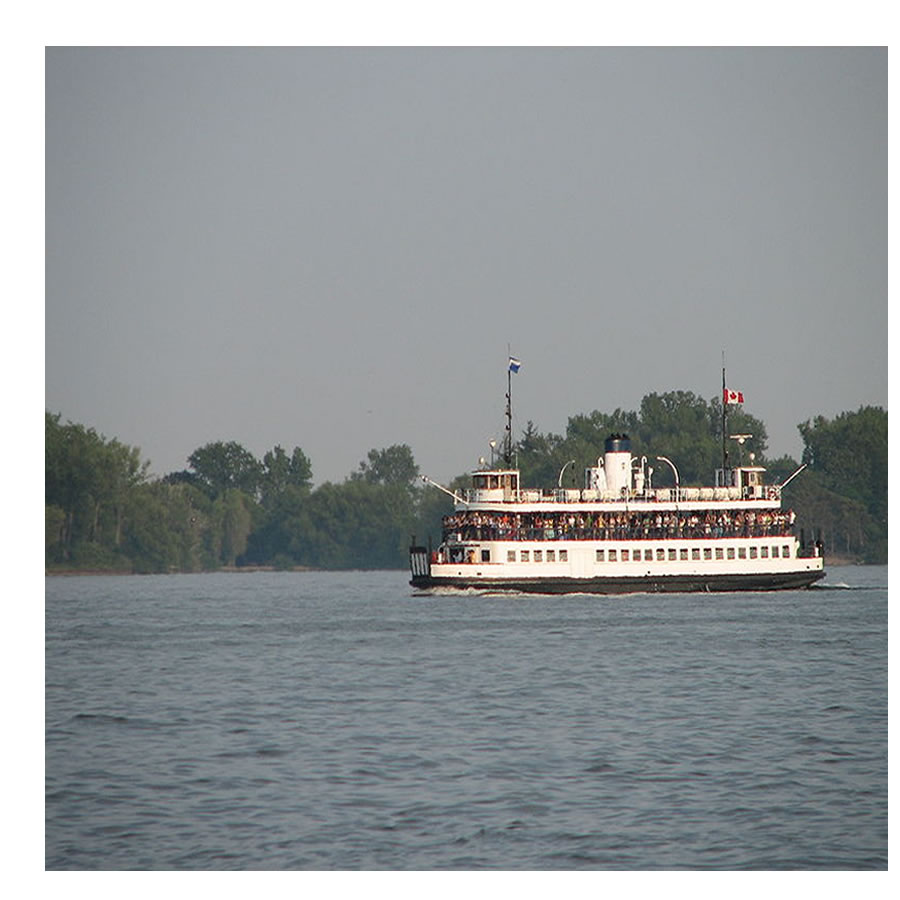 August 6, the concerts on the Toronto Islands attracted 32,000, "a record mob"; "statistically, Caribana '67 is the event of the year". The Trinidadian performers from Expo 67 performed hourly from 6 to 10 pm on one day, the Journard Trinidad Players performed at their top level, despite no chance to rest after their trip from Montreal. There was a rainstorm at the start of the show, and a steel band played three numbers in the dark, flawlessly, when the lights short-circuited. Thanks to popular demand, Caribana '67 was extended an additional day, to the next Sunday. That final day set a one-day record for ferry use of 35,000, upping the old record by 3,000. Governor-General of Jamaica Sir Clifford Campbell, the first Jamaican-born Governor-General of that country, made a surprise guest appearance when returning home from Expo 67.
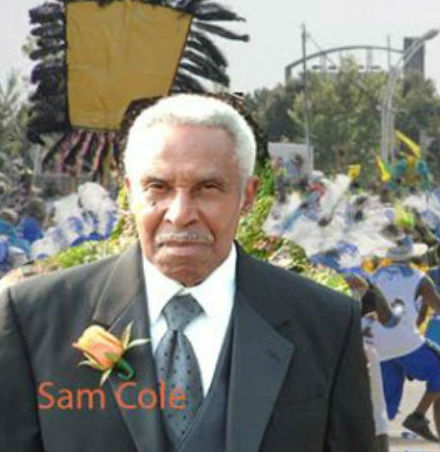 Parks commission Tommy Thompson agreed, having participated in the event himself, and estimating the island's year-end attendance would set an all-time record. Boat crews abandoned their schedules, simply going to and from the islands as fast as possible, with the sole off-duty crew called on-duty, and the boats running to midnight, and hour past their normal stop. Chairman Cole agreed the group would try to organize a follow-up event: "We made a few mistakes, wasted a little time and money. But it was worth it. It's been very successful and next time we'll know what pitfalls to avoid. One will be to forget any attempt to raise contributions or assistance from businesses.
The organization began a year-round presence. The Caribana Serenaders performed at the Royal York hotel on Boxing Day, during the Mayor's annual clinic for the Canadian Red Cross Society
Parks commission Tommy Thompson agreed, having participated in the event himself, and estimating the island's year-end attendance would set an all-time record. Boat crews abandoned their schedules, simply going to and from the islands as fast as possible, with the sole off-duty crew called on-duty, and the boats running to midnight, and hour past their normal stop. Chairman Cole agreed the group would try to organize a follow-up event: "We made a few mistakes, wasted a little time and money. But it was worth it. It's been very successful and next time we'll know what pitfalls to avoid. One will be to forget any attempt to raise contributions or assistance from businesses.
The organization began a year-round presence. The Caribana Serenaders performed at the Royal York hotel on Boxing Day, during the Mayor's annual clinic for the Canadian Red Cross Society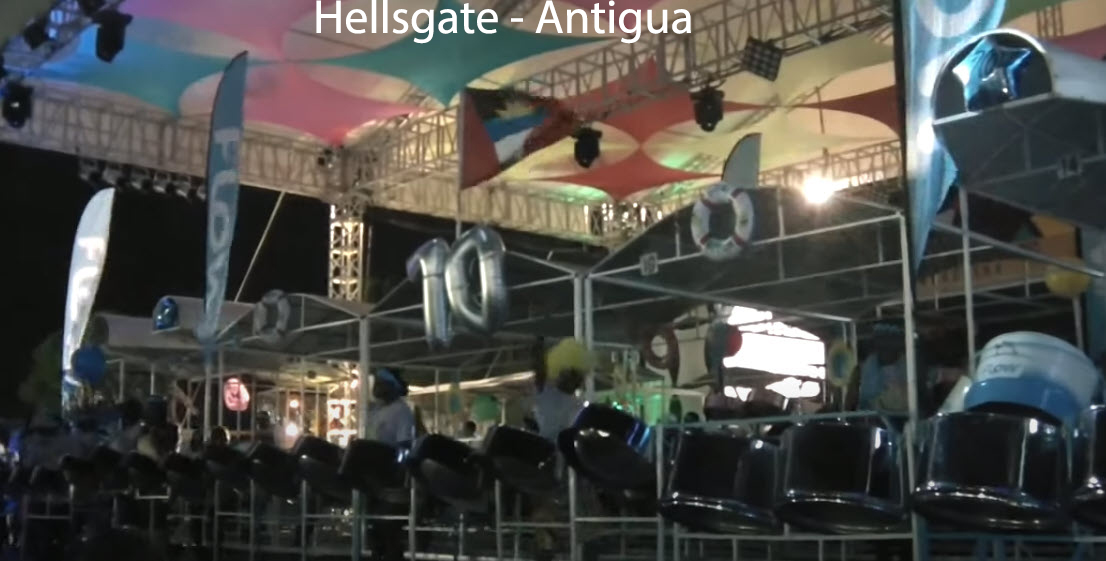 however the local musician union asked them not to play, as they hadn't been informed in advance; Hell's Gate of Antigua did manage to perform at Queen's Park. A grand ball at the Royal York hotel on August 2 picked the king and queen.
 In the opening weekend, 30,000 visited in the Island. Cost of the festival was estimated to be $45,000,
and they hoped to break even. Final stats found 54,000 visited the Island. Johnny Cayonne was a permanent staffer for the Caribana Cultural Committee, (the organization took its name January 15, having incorporated as "Caribbean Committee for Cultural Advancement"). Admission to the Olympia Beach event was reduced from $2 the previous year, to $1.
In the opening weekend, 30,000 visited in the Island. Cost of the festival was estimated to be $45,000,
and they hoped to break even. Final stats found 54,000 visited the Island. Johnny Cayonne was a permanent staffer for the Caribana Cultural Committee, (the organization took its name January 15, having incorporated as "Caribbean Committee for Cultural Advancement"). Admission to the Olympia Beach event was reduced from $2 the previous year, to $1.
 only of its kind in North America. Ferry cruises were scheduled for the week prior, from July 27 to 29, and a "Ole Mas" costume dance was held July 24 at Ontario Science Centre. The event continued until 2 am. Eric Gairy on Grenada returned for the opening night, July 30, now Prime Minister of an independent country, joined by St. Vincent's Prime Minister Milton Cato. The parade route for the year was along from Varsity Stadium, along Bloor to Yonge, down to the ferry docks. Island events ran July 31 to August 8. Unusually, the parade was confined to just half of Yonge Street. The boat cruises featured the British West Indian Airways' Steltones. Nolan Baynes, 20, won Miss Caribana '71, and was featured on the front page of the Saturday Star
 By the 1:30 am Saturday morning, many became tired of waiting for additional Toronto Transit Commission (TTC) buses, having waited 40 minutes already. They packed onto buses so much "that standing passengers were forced
into the laps of those sitting." Several individual fights erupted on the bus, including one "between two men over woman, who claimed one of the men had attacked her." The driver and two off-duty TTC drivers on the bus was not able to bring the passengers to order, so the driver honked his horn for a few minutes straight, until police came.
By the 1:30 am Saturday morning, many became tired of waiting for additional Toronto Transit Commission (TTC) buses, having waited 40 minutes already. They packed onto buses so much "that standing passengers were forced
into the laps of those sitting." Several individual fights erupted on the bus, including one "between two men over woman, who claimed one of the men had attacked her." The driver and two off-duty TTC drivers on the bus was not able to bring the passengers to order, so the driver honked his horn for a few minutes straight, until police came.
 The CCC Board has endorsed the establishment of a subsidiary Corporation called Caribana Festival Management Board to manage and produce the annual festival which will be known as the Caribana International Arts Festival. This structural change will resolve many of the financial and management problems related to the production of the festival.